
| Printer Name | Notable Features |
|---|---|
| Foodini | Stainless steel cartridges, intuitive interface, health-focused printing |
| Cocoa Press 2.0 | Precise chocolate control, compact size, open-source software compatible |
| mycusini® 2.0 | Over 1,000 chocolate shapes, colorful interface, ideal for dessert creation |
| FELIX Food 1.6 | Large build area, webcam control, heated syringe, modular design |
| Patiss3 | Powder-based system, excellent for pastries, supports spice infusion |
| OPUS by byFlow | Precision for chocolatiers, reliable and customizable, chef-endorsed |
| nūfood | Prints vegan liquids, great for cocktails and plated decorations |
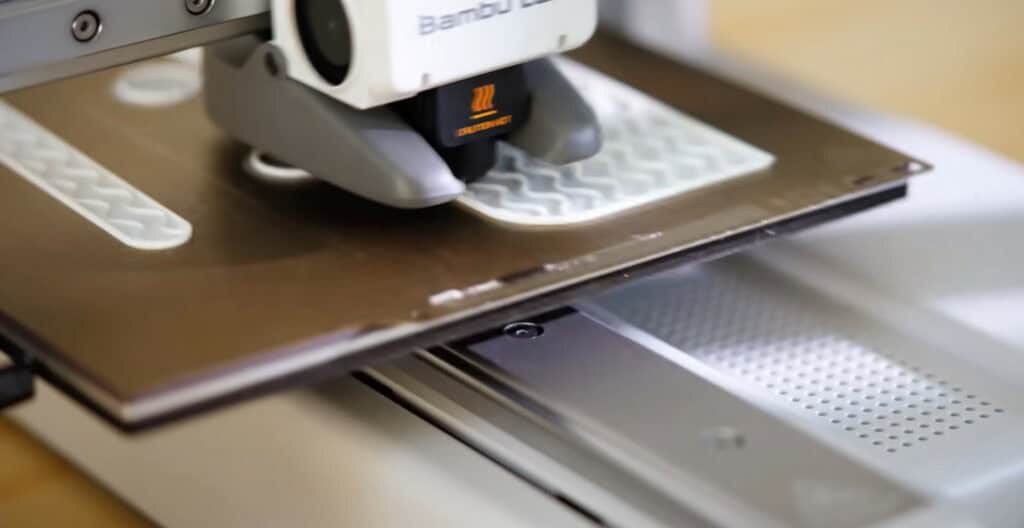
| Bambu Lab A1 Mini | Compact, easy setup, excellent entry point for creative hobbyists |
| Choc Creator V2 Plus | Dual nozzles, detailed chocolate prints, ready-to-use STL file support |
| XYZprinting | Great for decorative cookies, beginner-friendly, affordable |
The 3D food printer is a new type of kitchen appliance that has quietly entered contemporary homes in recent months. These gadgets, which were once thought of as a novelty only found at science fairs and gourmet labs, are now making an appearance in regular kitchens with remarkably positive outcomes. Whether you’re a chocolate lover, an experimental cook, or just sick of doing the same old thing over and over again, 3D food printing provides an exciting and surprisingly inexpensive alternative.
Among the most reputable brands in this expanding market is Foodini, which was created by Natural Machines. Foodini’s guided touchscreen interface and stainless steel cartridges enable home cooks to create stunning, personalized meals with fresh ingredients. Although it doesn’t cook the food, its capacity to form dough, pastes, and vegetable purées into layered, visually appealing presentations is especially helpful for those looking for unusual textures or healthier meals.
Cocoa Press 2.0 is a rising star in chocolate design. This printer was created especially for chocolate lovers and uses Prusa-compatible software to enable high-precision customization. The machine produces clean, smooth designs by ensuring ideal temperature control and chocolate flow. It has recently gained popularity among TikTok food artists due to its ability to create edible sculptures out of sweet treats with surprisingly little preparation.
3D food printing has a more playful side thanks to the mycusini® 2.0. It’s especially interesting for families and home bakers because it has an integrated catalog of more than 1,000 printable chocolate objects. Youngsters enjoy selecting shapes from the vibrant touchscreen menu, such as stars, animals, and hearts. According to one food blogger, it was “a dessert game-changer,” making birthday celebrations much more enjoyable and intimate.
A much better experience is provided by the FELIX Food 1.6 for users who are more ambitious. This printer, which is handcrafted in Europe and is designed for accuracy, has a large printing area, webcam guidance, and heated syringe control. Because of its modular design, owners can replace parts as needed, increasing the device’s useful life. It is “very dependable,” according to an Amsterdam pastry chef who uses it to personalize branding with edible logos and expedite dessert plating.
The French-made Patiss3 is another gadget that is receiving praise. This printer, which uses powder-based technology to create decorative shortbread in unique shapes, is aimed at pastry chefs but is also within the reach of dedicated home bakers. Users can make cookies with layered flavors and textures because it incorporates powders like cocoa, turmeric, or spice blends straight into the dough. According to a Lyon restaurateur, it allowed his staff to cut down on kitchen waste while maintaining a “exceptionally elegant” presentation.
Dovetailed’s vegan-friendly food printer, nūfood, is one of the most creatively daring gadgets. It prints tasty liquids as pearls, gels, or drops rather than pastes or powders. Frequently employed in molecular gastronomy or cocktail art, nūfood enables chefs and mixologists to create vivid three-dimensional representations of ingredients like fruit juice or herbs. The printer has also entered the catered party market through strategic alliances with event companies, where customized drops are poured into champagne flutes right before the drink is served.
Another excellent option for use at home, particularly by professionals who have become entrepreneurs, is the OPUS from byFlow. It offers sophisticated control over texture and finish and is solely focused on chocolate. Many home users have found it to be incredibly versatile when making branded desserts or trying out novel plating ideas, despite the fact that it is priced for pros. For culinary creatives, its adaptable design and simplicity of use make it especially inventive.
The dual nozzle design and sophisticated chocolate output of the Choc Creator V2 Plus continue to impress. It’s a great option for people who want to start designing right away because it supports standard STL files and comes with pre-installed printing guides. Particularly for customers who value upscale appearance, the prints’ detail has been compared to “laser-etched pastries.”
The XYZprinting food printer provides a surprisingly low entry point for people with modest expectations and a limited budget. This gadget is perfect for hobbyists and holiday bakers because it can print cookie decorations or small cake components with sufficient accuracy. One mother described it as “particularly useful for themed projects” and described how she used it to design the components of a gingerbread house during the winter.
These devices are appealing for reasons other than just their efficiency and design. 3D food printers are demonstrating great promise for lifestyle and medical applications in the context of contemporary dietary requirements. In order to make mealtime less frightening for patients who have trouble swallowing, caregivers have begun to use soft-paste printers to create familiar food shapes. Additionally, those who are in charge of portion control can now arrange their meals in a visually consistent manner, which was previously challenging to accomplish without the use of professional kitchen equipment.
Food printers have entered a creative golden age thanks to extensive social media exposure and strategic experimentation. As a result of influencers, chefs, and enthusiasts sharing their findings, the edible design community is expanding. People are working together across continents to literally and figuratively shape their food as shared recipes and print-ready files spread online.
Although the technology isn’t flawless yet—cleanup, consistency control, and ingredient preparation still need work—it is developing swiftly. The latest models are more user-friendly, much faster, and smaller. Although printing your breakfast or dessert may seem like a bold idea, thousands of users are already accustomed to it.