

iOS 26 Key Details
| Detail | Information |
| Developer | Apple Inc. |
| First Announcement | June 9, 2025 at WWDC |
| Expected Public Release | Mid-September 2025 |
| Latest Beta Version | iOS 26 Beta 1 (June 13, 2025) |
| Public Beta Availability | Scheduled for July 2025 |
| Dropped Device Support | iPhone XR, XS, XS Max (A12 Bionic chipset) |
| Design Theme | Liquid Glass – translucent UI with skeuomorphic elements |
| Major New Additions | Apple Intelligence, Genmoji, Call Screening, Spatial Scene, Live Translations |
| Target Devices | iPhone 11 series and newer |
| Official Info Page | www.apple.com/ios |
At WWDC on June 9, 2025, Apple unveiled iOS 26, which felt more like a rhythm shift than just an update. iOS 26, which is slated for release in the middle of September, reflects not only what iPhones are capable of but also how they feel, think, and react. Based on past patterns, Apple’s practice of coordinating software updates with new iPhone models is still in place, and this update is probably going to be released during the third week of September, possibly a few days before the iPhone 17 is available for purchase. These fall releases have gradually reshaped mobile experiences over the last ten years.
However, there are a lot of notable changes in this one. Fundamentally, it is a redesign that blends nostalgic depth with contemporary minimalism. Apple refers to this visual philosophy as “Liquid Glass,” which makes icons appear fluid, translucent, and reactive. It works incredibly well to give the phone a personality that is almost tactile. Elements pay homage to iOS 6’s skeuomorphic past while shifting with movement and shimmering in response to input.
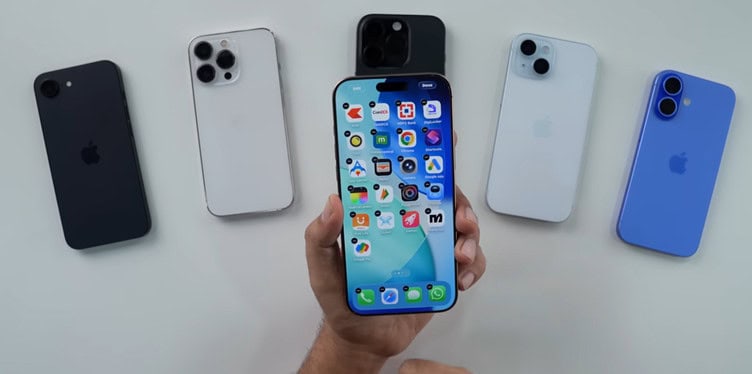
For users who are anxiously awaiting the release date of iOS 26 The schedule is exactly in line with Apple’s practice of making final public versions available soon after keynote addresses. Developer builds, which offer a controlled preview of the new interface, improved privacy options, and a plethora of clever features driven by Apple Intelligence, have already been seeded, and a public beta is anticipated in July.
Apple Intelligence is being integrated into the phone’s interface through internal innovation and strategic partnerships. This AI is conversational, helpful, and visually present; it is not the kind that lurks in the background. For example, Genmoji uses descriptive prompts to allow users to blend emojis or create new ones. Younger audiences, many of whom are active on visual platforms like TikTok and BeReal, have taken a particular liking to this feature alone.
Apple encourages consumers to engage with their phones in a more complex, human manner by incorporating ChatGPT-like features into Visual Intelligence and Image Playground. The experience feels more intimate and remarkably similar to how we engage with actual assistants, whether you’re asking Siri to summarize your emails, translating a real-time conversation, or drafting a text.
The introduction of Braille Access marks a significant advancement in accessibility. With support for Nemeth code, braille inputs, and real-time conversation transcription, it transforms iPhones into self-sufficient tools for people with visual impairments. For people with special needs, features like Reader Mode and the recently added audio Equalizer further improve usability by providing interfaces that feel inclusive rather than like add-ons.
Tech publications like MacRumors and YouTube creators like Zollotech have discovered hidden gems during the beta cycle. Now, the Lock Screen dynamically changes to accommodate widgets at the bottom and scale the clock according to the background display. Although it might seem insignificant, it gives your phone a conscious—almost thoughtful—feel.
Apple is finally resolving long-standing annoyances with their improved phone call features. By acting as a clever buffer for unknown calls, call screening enables the phone to screen and determine whether the call is spam or an actual attempt to reach you. The Phone app transforms from a dialer into a manager when combined with Hold Assist, which notifies the caller when you’re ready to speak again.
There will be noticeable improvements for music lovers as well. AutoMix mixes music in a way that is reminiscent of professional DJ equipment. Listeners have far more creative control thanks to playlist folders, pinned albums, and live lyric translations. Global audiences who consume a variety of genres and multilingual users feel especially benefited by these features.
The experience is equally intuitive across messages. Now, you can make polls, add custom backgrounds to chats, and translate text instantly. A subtle but incredibly effective update is the ability to copy a portion of a message instead of the entire bubble. These days, group chats display who is typing, which adds a layer of context that is surprisingly useful in threads with a lot of activity.
Apps for cameras and photos have both seen significant improvements. Static images become animated visuals that respond to the tilt of your phone thanks to the new Spatial Scene mode, which adds 3D depth. By utilizing Apple’s Vision Pro expertise, this improvement builds a fun link between mixed reality and iPhone photography. Deeper controls are just a tap away in the decluttered Camera UI, which by default only displays Photo and Video.
The update’s main goal is to increase intelligence while reducing interference. For example, instead of stopping background processes when usage spikes, Adaptive Power Mode gradually lowers performance. The phone even estimates charging time on the Lock Screen, and battery statistics now display color-coded usage patterns—simple concepts done with care.
One theme emerges as users get ready to download iOS 26 in the upcoming months: deliberate transformation. Speed and gaudy widgets aren’t the only factors here. It involves designing an interface that pays attention, adjusts, and promotes stronger bonds between the user and the gadget. iOS 26 makes using an iPhone on a daily basis richer and much more responsive with improved AI, improved accessibility, and vibrant visuals.
The possibilities are endless for musicians like Billie Eilish, whose fans rely on lyrics, unique visuals, and social media messaging, or even celebrities like Selena Gomez and Tom Holland who have adopted technology. Through the integration of third-party apps with Apple’s Foundation Models, brands will also discover new avenues for engagement. With just a few lines of Swift code, developers can add intelligence to even the most basic apps using these APIs, making them feel polished and natural.