

Apple Watch Snore Detection Information Table
| Feature | Details |
|---|---|
| Built-in Snore Detection | No (Requires third-party apps) |
| Notable Apps | SnoreLab, Koala Nap, Rem, SnoreAlarm |
| Key Features | Snore alerts, sleep analysis, haptic feedback, heart rate tracking |
| Real-Time Alerts | Available on select apps (e.g., Koala Nap) |
| Price Range | Free to $39.99 (premium features optional) |
| Health Integration | Works with Apple Health |
| Accuracy Level | Useful for patterns, not a medical-grade diagnosis |
| Societal Impact | Reduces snoring-related conflicts, improves health awareness |
| Celebrity Endorsements | Increasing anecdotal adoption; discussed in user forums and health blogs |
| Reference | SnoreLab Official App |
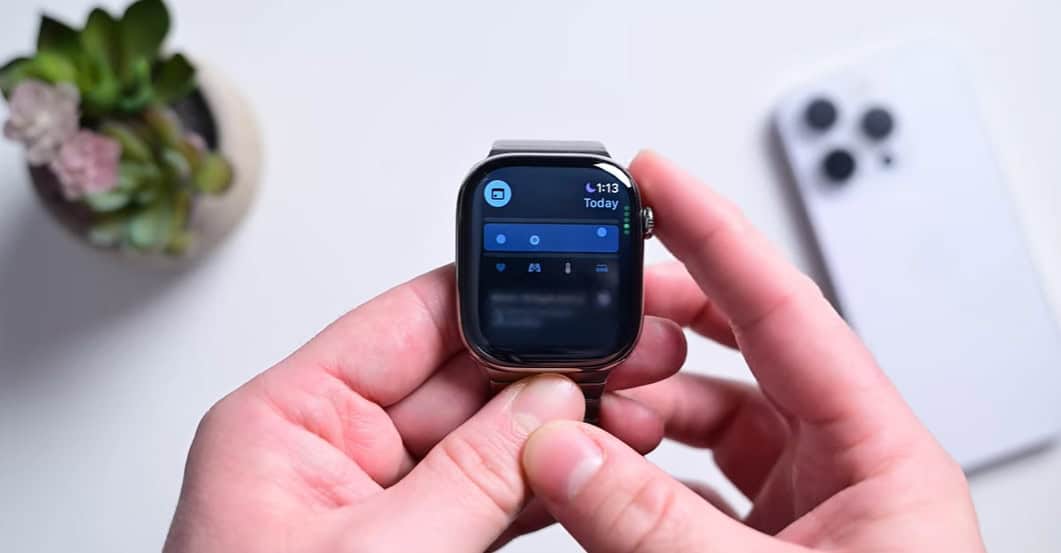
In everyday life, sleep has undoubtedly become the most valuable commodity. Users can now control their nighttime habits in incredibly transparent, tech-assisted ways thanks to the popularity of wearables like the Apple Watch. Despite lacking an inbuilt snore detection feature, the Apple Watch is a very effective tool when used in conjunction with apps such as SnoreLab, Koala Nap, and Rem. These apps turn your wrist into a covert sleep coach by actively listening, analyzing, and responding in real time—they do more than just track your heart rate or movement.
Third-party developers have developed a new class of sleep tools that offer more than just data by utilizing the Apple Watch’s microphone and sensors. For example, Koala Nap gently wakes users when snoring is detected by using haptic alerts and real-time audio analysis. The goal is to cause a positional change rather than to startle—quietly stopping the snore before it gets out of control. Couples who struggle with noisy nights have found this method especially helpful as it allows both parties to sleep without interruption.
The most well-known of these tools, SnoreLab, tracks the length and severity of snoring episodes. After that, it determines a Snore Score, which enables users to monitor their development over time and assess how well lifestyle modifications are working. This app’s ability to connect snoring to behaviors like late-night drinking, eating late, or having bad posture is what makes it so effective. It serves as an auditory journal of their sleep health for many.
User reviews over the last few years have presented a remarkably similar picture. One woman described how her partner ignored her grievances until SnoreLab verified a score higher than 200, shocking him into altering his way of life. A medical consultation and early diagnosis of mild sleep apnea were prompted by another user’s discovery of patterns of gasping while they slept. These apps provide remarkably accurate snapshots of what happens at night, but they are not diagnostic tools.
These apps are very versatile due to their simple design. The user-friendly interface of Koala Nap provides real-time alerts that are not startling. This technology becomes a gentle first step toward better health for people who are afraid to visit a sleep lab or use a CPAP machine. Additionally, snoring detection fits in well with the larger trend of quantified self-care at a time when wellness is frequently assessed through biometrics.
The rise in sleep-related technology in recent months has led to celebrities subtly utilizing these tools. Wellness celebrities like Tim Ferriss and Gwyneth Paltrow have long emphasized the value of getting enough sleep, even though few have publicly discussed their snoring. It would be reasonable to assume that they have similar apps on their wrists that provide nightly insights and digital accountability.
Notably, these apps have flourished due to the shift in society toward at-home health monitoring. Interest in at-home solutions and contactless diagnostics increased as a result of the pandemic. As part of a daily routine, snore detection now coexists with heart rate monitoring and mindfulness applications. Checking the weather has become as common as waking up to a report detailing the quality of your sleep.
Rem is unique in terms of functionality since it combines heart rate analysis, snore detection, and general sleep scoring. It uses all of the Apple Watch’s sensors to produce a multi-layered report that seems thorough. Even for users who are not tech-savvy, the feedback is frequently visual and simple to understand. This feature has been especially helpful for medium-sized households with several family members using Apple devices.
Naturally, battery life is still a small worry. These apps may use more energy if they are run overnight, requiring more frequent charging. However, for many, the trade-off is noticeably better sleep and early identification of conditions like chronic fatigue or apnea. Users can even adjust the sensitivity levels of apps like SnoreAlarm, which strike a balance between detection and device endurance.
By integrating with SnoreGym, an app that provides snore-reducing exercises, developers have recently increased the functionality of their apps. This combination has worked particularly well for people who are prepared to do more than just track. Users report that their snoring has significantly decreased, sometimes in a matter of weeks, when they combine the insights from SnoreLab with daily routines from SnoreGym.
The way these apps humanize data is especially creative. They enable you to literally hear yourself by capturing short sound clips of your sleep, which is frequently far more convincing than statistics. Because they can now cite evidence rather than argue, many couples say they feel heard, validated, and ultimately closer.
These apps are surprisingly inexpensive when considering price. The majority provide free versions with upgrade options. The entry barrier is remarkably low when compared to the cost of medical consultations or sleep studies. For younger users or those without comprehensive health coverage, this accessibility is essential, democratizing access to better sleep.
Additionally, the apps give users an empowered way to take charge of their health. Without ever coming across as alarmist, they promote behavioral change through well-timed alerts and strategic feedback loops. That alone sets them apart in the crowded health technology market.
There is a good chance that Apple will include native snore detection in upcoming watchOS upgrades. Both the infrastructure and the user demand are present. These third-party options will continue to cover the void until then, frequently with a degree of attention to detail and personalization that surpasses what many people anticipate from a smartwatch.