
iPhone 13 and iOS 26 Compatibility
| Device Model | iOS 26 Supported | Key Features Included | Apple Intelligence Supported |
| iPhone 13 | Yes | Liquid Glass UI, redesigned apps, privacy upgrades | No |
| iPhone 13 mini | Yes | Full visual and functional updates | No |
| iPhone 13 Pro | Yes | Dynamic Lock Screen, Spatial Scene in Photos, upgraded Messages | No |
| iPhone 13 Pro Max | Yes | Music AutoMix, Battery AI alerts, Safari enhancements | No |
| Verified Source | www.apple.com/ios | Confirmation by Apple and all beta developer reports | — |
Users of the iPhone 13 have been the focus of Apple’s most recent iOS announcement in recent days. Numerous iPhone 13 owners are posing a remarkably similar query in light of iOS 26’s official introduction at WWDC 2025 and its September public rollout: can this device run Apple’s most sophisticated software to date? Yes, and the ramifications extend well beyond simple compatibility.
With Apple’s A15 Bionic chip, the iPhone 13 is still easily compatible with Apple products. Older models with the less powerful A12 chip, such as the iPhone XR and XS series, are no longer included in that list. A larger change in Apple’s approach to striking a balance between innovation and legacy support is reflected in this strategic cutoff. Instead of stopping updates suddenly, they progressively adjust new features to the hardware’s limitations, guaranteeing that performance remains stable under stress.
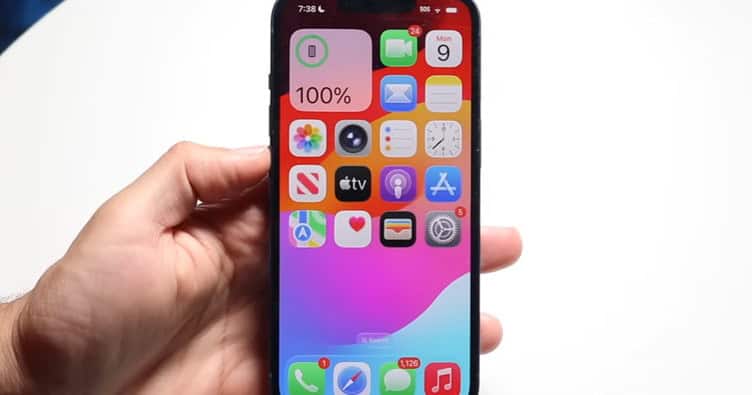
The complete aesthetic change that characterizes iOS 26 is applied to iPhone 13 models by adopting the Liquid Glass design. This is not just a visual interface change. The update radically reimagines how the system reacts to touch, tilt, and timing with skeuomorphic echoes from the iOS 6 era, responsive motion effects, and transparency inspired by refraction. It’s especially helpful for people who depend a lot on visual cues for interaction, like accessibility users and creative professionals.
Some of the most eagerly awaited features, particularly those pertaining to Apple Intelligence, will only be available on devices with the A17 Pro chip or later. This includes on-device AI-powered language translation, the ability to create Genmoji in real-time, and Visual Intelligence tools like the recently added Circle to Search feature. Users of the iPhone 13 will not have access to the full range of generative AI features that were introduced this cycle, but they will still benefit from enhanced functionality in apps like Messages, Camera, and Safari.
For instance, the updated Camera app on the iPhone 13 now has access to advanced shooting modes and a remarkably flexible interface with streamlined toggles. Previously exclusive to Apple’s visionOS, the Photos app offers a spatial viewing experience in which certain images seem to rise off the screen based on the user’s movements. Even though it might not be entirely AI-powered, it still provides a very engaging experience.
Subtle yet revolutionary features are added to the iPhone 13 in the context of music and media. A new feature in Apple Music called AutoMix blends songs remarkably smoothly by using timing and rhythm detection. The update improves how users connect with their music, especially those who are interacting across cultural boundaries, by adding features like the ability to pin favorite albums and access multilingual lyrics with pronunciation aids.
The iOS 26 developer beta has received mixed reviews from early adopters on Reddit’s r/iPhone13 over the last few weeks. The significantly enhanced battery management system, which now offers color-coded battery usage charts and real-time charging estimates, is praised by many. Others are cautiously optimistic about improvements to Messages, particularly the addition of real-time translation and the ability to copy a portion of a chat bubble. Even though they are minor, these improvements are very effective for daily messaging requirements.
It is obvious that Apple is betting on a longer product lifecycle by using software updates to make older devices feel brand new again. It’s a wise choice, especially when consumers put off updating their devices during economic downturns. With robust performance and no switching costs, a dependable iPhone 13 running iOS 26 feels sufficiently modern for the majority of daily tasks. Apple’s sustained support model feels remarkably resilient in contrast to flagship Android phones, which frequently lose support after two or three updates.
From a wider angle, the update supports Apple’s changing stance on functionality and inclusivity. A greater awareness of how various users interact with their devices is demonstrated by the inclusion of Reader Mode, customizable folders, and Braille Access. These features aren’t particularly noteworthy, but they’re vital, particularly for students, people with visual impairments, and elderly people who are adjusting to smartphones later in life.
Apple has developed an iOS experience that is responsive to every device generation through careful design decisions and performance optimization. This implies that iPhone 13 users can take part in this shift without having to give up a cherished gadget. For the most difficult on-device AI tasks, the phone may not have the neural compute capacity, but it is incredibly dependable and fluid in handling nearly everything else.
YouTubers Simple Alpaca and iDeviceHelp have reviewed iOS 26 running on the iPhone 13 since the beta release earlier this month. They consistently conclude that the iPhone 13 has good performance and fluid user interface changes, even though it lacks Apple Intelligence features like Genmoji and Smart Summaries. The Liquid Glass theme gives the Home Screen and system menus a new lease on life, the animations are polished, and there is no lag.
Apple has also updated its public documentation to reflect support tiers during this rollout period. Even though only the iPhone 15 Pro, iPhone 16 series, and the more recent 16e have full access to Apple Intelligence, the iPhone 13 still ranks highly in terms of overall software support. It gains from all of the OS’s redesigns, notification changes, and accessibility features.
As iOS 26 transitions from beta to final release in the upcoming months, millions of users will probably find out how well the iPhone 13 has held up over time. It strikes a useful balance between being sufficiently new to get updates, sufficiently effective to run them smoothly, and reasonably priced to prevent upgrade fatigue. Thoughtful hardware design and clever software collaboration can extend a device’s value well beyond its launch year, as the iPhone 13 demonstrates in a tech landscape shaped by rapid change and increasingly intelligent devices.