

Intrinsically Safe Smartphone Key Specifications
| Feature | Description |
| Safety Certifications | ATEX / IECEx for Zone 1 and Zone 2 hazardous environments |
| Operating System | Android 11 or newer versions |
| Supported Networks | 4G, 5G, Wi-Fi, Bluetooth, GPS |
| Average Price Range | Between $950 and $3,500 depending on zone classification and features |
| Common Use Cases | Oil and gas refineries, chemical plants, mining operations, military zones, firefighting |
| Leading Models | Ecom Smart-Ex 02 DZ1, CONQUEST S21 5G, iSafe IS540.M1 |
| Design Benefits | IP68 water/dust resistant, glove-friendly display, shockproof casing |
| Practical Functions | Push-to-talk, high-res camera, thermal sensors, emergency buttons |
| Additional Accessories | Safety chargers, explosion-proof cases, belt clips, docking stations |
| Verified Source | www.intrinsicallysafestore.com |
The need for smartphones that are inherently safe has increased dramatically in recent years, not because of their popular features or viral social appeal, but rather because they enable contemporary communication in hazardous and uncertain environments. These gadgets are made for underground mining navigation, refinery inspections, and emergency rescues in volatile gas zones—not for yacht selfies. Their value is found in their quiet, incredibly effective protection, not in their widespread popularity.
A smartphone that is inherently safe restricts its electrical and thermal output to levels that won’t cause explosions in high-risk areas. These phones can be used in situations where a single spark could start a catastrophic fire because they are usually certified under strict international safety standards like ATEX and IECEx. These phones prioritize functionality and safety without sacrificing either, in contrast to traditional rugged phones that only focus on durability.
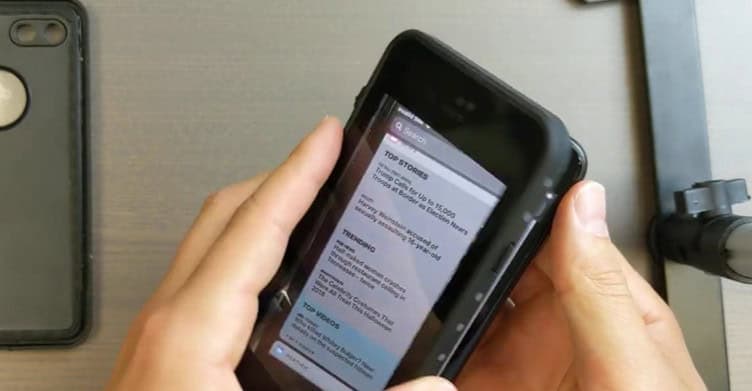
One of the most popular gadgets in this class is the Ecom Smart-Ex 02 DZ1, which costs about $1,850. It is certified for Zone 1 areas, which are areas where explosive atmospheres are likely to occur during regular operations, runs on Android, and supports global LTE bands. Constructed to endure rough treatment, high temperatures, and ongoing fieldwork, this model provides exceptionally efficient connectivity with no risk of ignition.
The CONQUEST S21 5G, a sturdy Android phone designed especially for use in high-noise environments, chemical facilities, and oil rigs, is equally dependable. It has a strong 48MP camera, a thermal sensor to check the temperature, and emergency alerts that can be programmed. It manages enterprise software and daily apps with seamless efficiency despite its military-grade construction, proving that industrial-grade need not equate to being antiquated or slow.
By incorporating cutting-edge mobile functions into a robust, explosion-proof structure, manufacturers have greatly increased the phones’ usability. Many models now have barcode scanners, video collaboration tools, and safety inspection checklists thanks to strategic partnerships with app developers, turning them into small command centers for frontline teams.
Businesses have begun modernizing communication protocols across high-risk zones in recent years, particularly in response to tighter regulations in Europe and Asia and an increase in safety audits in oil-producing countries. Many people now use intrinsically safe smartphones as their main communication tools rather than walkie-talkies or paper logs. Reducing human error, enabling real-time alerts, and cutting down on time spent in hazardous areas are all made possible by this digital shift.
Through their Water.org initiatives, humanitarian engineering celebrities like Matt Damon and Gary White have highlighted the need for safe technological solutions in areas where high-risk chemical processes and industrial water treatment collide. Real-time reporting from these zones is made possible by devices like the i.safe IS540.M1, which combines ATEX-certified casing with contemporary 5G connectivity to ensure accurate data without putting lives in danger.
Additionally, the software experience has significantly improved. Older smartphones used to feel slow or unwieldy, but more recent models with features like facial recognition, cloud sync, and responsive touchscreens are inherently safe. For multinational engineering companies that must coordinate between field teams and headquarters without putting a technician in danger just to retrieve sensor data, this has been especially creative.
These smartphones have reimagined push-to-talk functionality, which was first popularized in conventional two-way radios. Outdated analog systems have been replaced by encrypted voice channels that operate on LTE or Wi-Fi, allowing workers to instantly communicate with dispatchers or supervisors. This feature not only becomes useful in life-threatening situations, but it also saves lives.
Naturally, durability is still crucial. These devices are made to withstand harsh handling, whether they are dropped onto concrete in steel foundries or immersed in muddy riverbanks during flood mitigation. It is essential to have features like shock-absorbing frames, glove-friendly screens, and IP68 waterproofing.
When compared to the financial ramifications of a workplace explosion or shutdown, these smartphones are surprisingly inexpensive. An incident that could result in millions of dollars in legal fees, medical expenses, and reputational harm can be avoided with a $2,000 device. Through this perspective, the investment seems incredibly prudent and progressive.
The use of smartphones that are inherently safe is only anticipated to increase with the growth of green hydrogen plants, offshore wind facilities, and lithium processing hubs. Despite their progressive environmental goals, these industries also pose new risks of fire and explosion, necessitating the use of specialized communication tools. Businesses set themselves up for long-term resilience as well as compliance by incorporating these phones into their operations.
Hollywood has taken notice. In order to preserve authenticity during production, film crews are increasingly using dummy versions of ATEX-certified phones to recreate combat scenes or refinery disasters. According to reports, some filmmakers even use actual ones on location to plan scenes in dusty or explosive-prone sets without running the risk of signal problems or interference.
These phones are more than just tools for professionals who work in high-risk environments on a daily basis, such as disaster recovery teams, petrochemical engineers, and firefighters. They are additions to protective equipment. How industrial teams work is drastically altered by the ability to safely send an image, report a hazard, or verify a completed inspection—all without having to venture outside of a danger zone.